
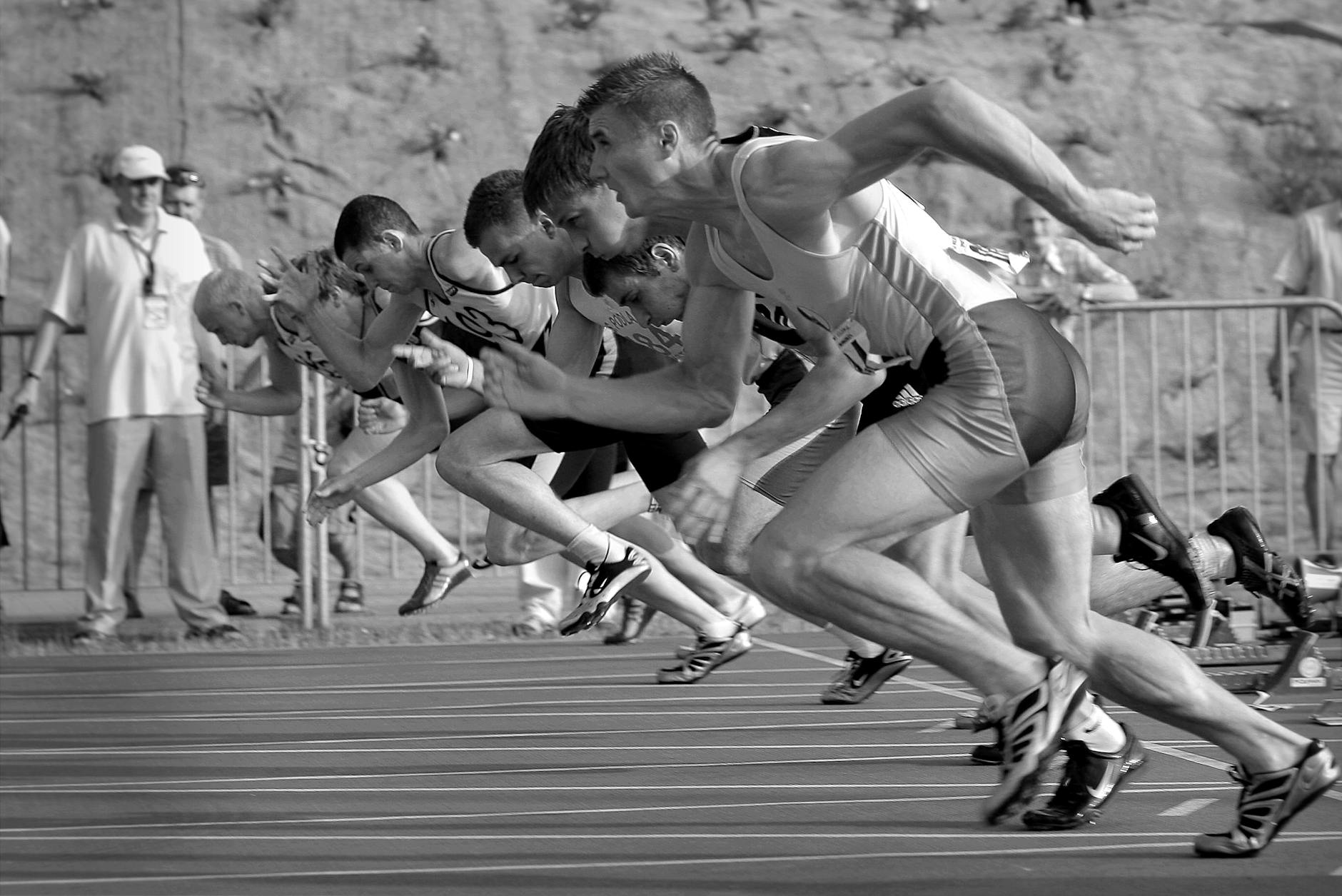
Running is one of the simplest and most accessible forms of exercise, but it’s also one of the easiest ways to get injured if something’s off with your form, training habits, or recovery routine. Many runners push through discomfort or chalk up pain to “part of the process,” but recurring aches, lingering soreness, or a noticeable change in stride could be signals that your body needs more support.
READ:The Ultimate Guide to Running Physical Therapy in New York City
That’s where running-specific physical therapy comes in. Unlike general rehab, this approach is tailored to the demands of runners by addressing biomechanics, muscle imbalances, and movement patterns unique to your stride. Whether you’re logging miles in Central Park or training for your next half marathon, knowing when to seek help can make all the difference in staying pain-free and performing at your best.
In this blog, we’ll break down five common signs that it might be time to work with a running-focused physical therapist, and how clinics like ReCOOPERate PT in New York City can help you get back on track.
1. You Keep Getting the Same Running Injury Over and Over

Recurring injuries are your body’s way of signaling that something deeper is going on. If you’ve dealt with shin splints, runner’s knee, IT band syndrome, or Achilles tendinopathy more than once, it’s time to look beyond rest and ice. These repetitive injuries often stem from biomechanical issues, muscle imbalances, or flawed movement patterns that general rehab may not fully address.
Running-specific physical therapy is designed to uncover the root cause of these recurring problems. A trained physical therapist with expertise in running mechanics can assess how your body moves, both in motion and at rest, and pinpoint the contributing factors. From there, you’ll receive a tailored plan that targets not only the painful area, but also the chain of movement that’s breaking down during your stride.
By focusing on prevention just as much as recovery, running-specific PT helps you stop the injury cycle for good and return to your training with more confidence and less downtime.
2. Your Running Form Feels Off or Uneven
You don’t have to be a biomechanics expert to know when something feels off. Maybe you’ve noticed a subtle limp after your runs, one foot slapping the ground more loudly than the other, or increasing wear on just one side of your shoes. These are all signs that your gait, or the way you move while running, may be out of balance.
An uneven running form often stems from issues like muscle imbalances, joint restrictions, or previous injuries that haven’t fully healed. While these imbalances might seem minor at first, over time they can lead to bigger problems such as chronic pain, reduced performance, and overuse injuries.
READ: Why a Personalized Physical Therapy Plan is Essential for Chronic Pain Recover
Running-specific physical therapy includes a comprehensive gait analysis that breaks down your stride from heel strike to toe-off. At ReCOOPERate PT, this process is used to identify compensations and inefficiencies that might not be visible to the untrained eye. With this insight, your therapist can create a targeted plan to improve symmetry, correct movement patterns, and restore fluid, efficient motion, so every mile feels smoother and safer.
3. You Experience Pain That Lingers After a Run
It’s normal to feel a little muscle fatigue after a long or intense run, but if discomfort sticks around for more than a day or two, it could be a sign of something more serious. Persistent pain in areas like your knees, hips, shins, or lower back may indicate underlying dysfunction that needs more than just rest.
Many runners try to “run through” pain or assume it will resolve on its own, but untreated overuse injuries often worsen with time. Lingering soreness may be your body’s way of compensating for faulty movement mechanics, poor shock absorption, or muscle imbalances that place excess stress on certain joints and tissues.
Running-specific physical therapy is designed to catch these issues early and treat them thoroughly. At ReCOOPERate PT, therapists work to distinguish between simple post-run soreness and biomechanical problems that require intervention. With a blend of manual therapy, strength training, and movement retraining, your PT can help you recover faster and run without pain becoming your norm.
4. You’ve Plateaued in Performance Despite Consistent Training
You’re sticking to your training plan, logging consistent miles, and fueling properly, but your pace isn’t improving, and your endurance has hit a wall. If that sounds familiar, the issue may not be your effort, it could be how your body is moving.
Performance plateaus often happen when inefficiencies in your stride limit your output. Whether it’s reduced hip mobility, poor core engagement, or asymmetrical leg strength, small mechanical flaws can lead to bigger limitations in speed, stamina, and power over time.
Running-specific physical therapy goes beyond pain management. At ReCOOPERate PT, therapists assess how your body functions as a system by identifying inefficiencies that may be holding you back. With expert movement analysis and personalized interventions, you can improve coordination, increase strength where it matters most, and unlock higher performance potential without increasing injury risk.
5. You’re New to Running and Want to Prevent Injuries From the Start
Starting a running routine is an exciting step toward better health, but it’s also when runners are most vulnerable to injury. Without a strong foundation, beginners often fall into common traps like overtraining, poor form, or wearing the wrong footwear, all of which can lead to pain and setbacks early on.
READ: The Best Mobility Exercises for Chronic Pain Sufferers
Even if you haven’t had an injury yet, working with a running-specific physical therapist can help you stay ahead of problems. A proactive approach can identify and correct movement issues before they lead to chronic pain or overuse injuries.
At ReCOOPERate PT, first-time runners can benefit from baseline gait analysis, education on proper training progression, and individualized exercises to support running form and endurance. This guidance not only reduces your risk of injury but also builds confidence as you increase your mileage and speed. Think of it as an investment in a longer, healthier running career.
How ReCOOPERate PT Supports Runners in New York City
At ReCOOPERate PT, running is treated as a complex movement pattern that deserves expert attention. Based in New York City, the clinic offers specialized care for runners of all levels, combining advanced gait analysis with hands-on therapy and customized strength programs.
Whether you’re recovering from an injury, dealing with recurring pain, or simply want to optimize your stride, the team at ReCOOPERate PT provides a comprehensive evaluation tailored to your goals. Their runner-specific approach looks beyond symptoms to uncover the root causes of inefficiency or discomfort, helping you move better, train smarter, and stay injury-free.
If you’ve noticed any of the signs mentioned in this blog, it may be time to take the next step toward healthier, more enjoyable running. Learn more about ReCOOPERate PT’s rehab programs or schedule an appointment to get started.